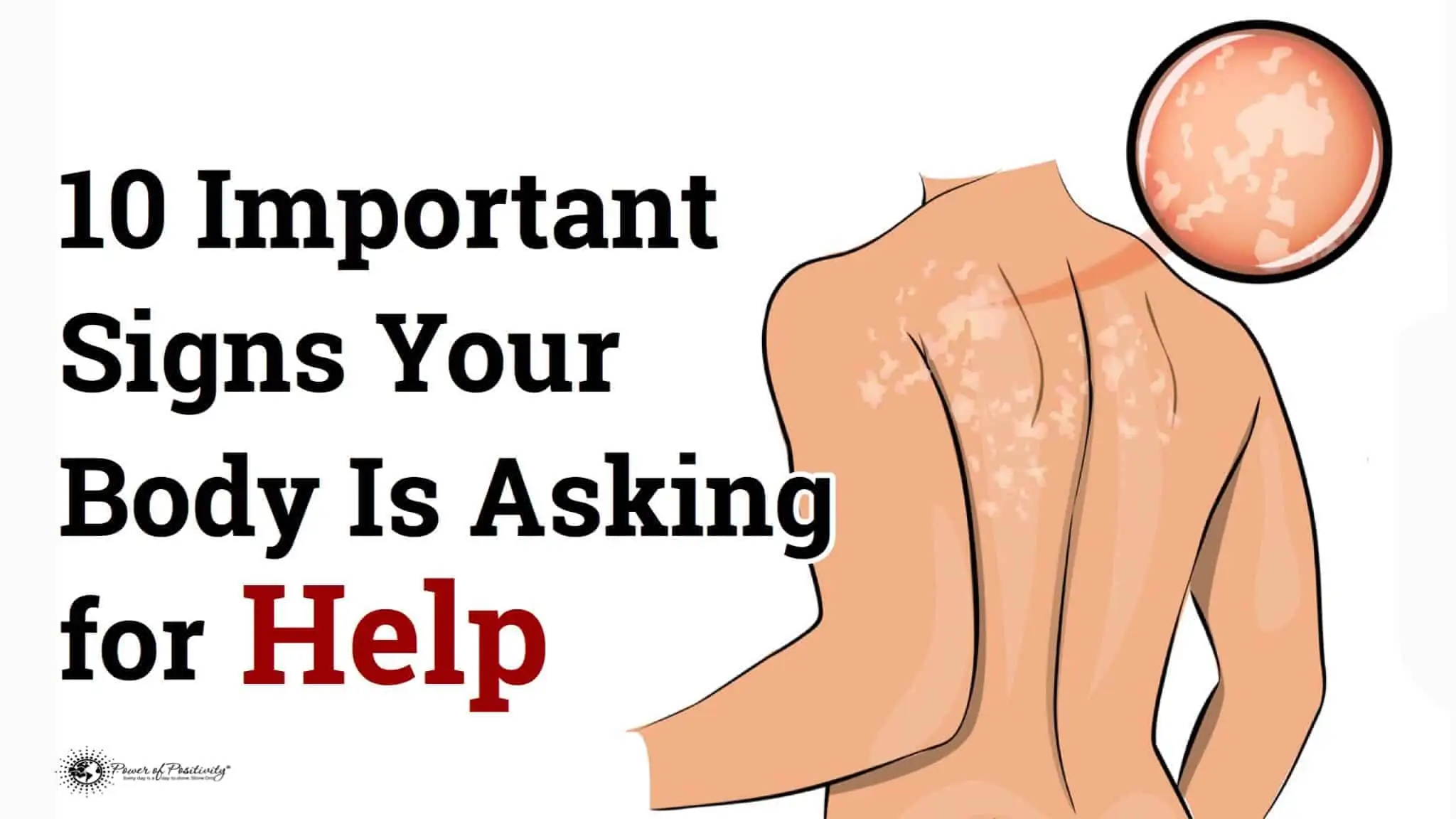
The human body is remarkably intelligent. Long before a condition becomes serious, the body often gives subtle warning signs. Learning to recognize these early signals can help you take preventive action and seek appropriate medical care when necessary.
While many symptoms are harmless and temporary, persistent or severe changes in your body should never be ignored.
Below are 10 common signs your body may use to indicate that something may need attention.
1. Persistent Fatigue
Feeling tired occasionally is normal. However, ongoing fatigue that does not improve with rest may be a sign of:
- Anemia
- Thyroid imbalance
- Chronic stress
- Sleep disorders
- Nutritional deficiencies
If fatigue lasts more than two weeks or interferes with daily life, it may be wise to consult a healthcare professional.
2. Unexplained Weight Changes
Sudden weight gain or weight loss without changes in diet or activity could be linked to:
- Hormonal imbalances
- Thyroid disorders
- Digestive problems
- Diabetes
Gradual, unexplained weight changes should be evaluated.
3. Frequent Headaches
Occasional headaches are common. However, frequent or severe headaches may be associated with:
- Dehydration
- High blood pressure
- Eye strain
- Stress
- Migraine disorders
Seek medical care immediately if a headache is sudden, severe, or accompanied by confusion or weakness.
4. Changes in Skin Appearance
Your skin can reflect internal health. Watch for:
- Yellowing of the skin (possible liver concerns)
- Persistent rashes
- Unusual bruising
- Dark patches
Skin changes that do not improve should be assessed.
5. Digestive Issues
Occasional bloating or discomfort can happen. But persistent symptoms like:
- Chronic constipation
- Ongoing diarrhea
- Blood in stool
- Severe abdominal pain
Require medical evaluation.
6. Shortness of Breath
Difficulty breathing without exertion can indicate:
- Respiratory conditions
- Heart issues
- Anxiety disorders
Sudden or severe shortness of breath is a medical emergency.
7. Sleep Disturbances
Trouble sleeping consistently may be linked to:
- Stress
- Hormonal imbalance
- Depression
- Sleep apnea
Healthy sleep is essential for immune and mental health.
8. Changes in Urination
Pay attention to:
- Painful urination
- Very frequent urination
- Blood in urine
- Strong odor
These may signal infections or other conditions.
9. Mood Changes
Persistent mood swings, irritability, or sadness may relate to:
- Hormonal shifts
- Nutritional deficiencies
- Mental health conditions
Mental health is as important as physical health.
10. Persistent Pain
Pain is one of the body’s strongest warning signals. Ongoing pain in:
- Chest
- Abdomen
- Joints
- Back
Should not be ignored.
When Should You See a Doctor?
Seek medical attention if you experience:
- Severe or worsening symptoms
- Symptoms lasting more than 1–2 weeks
- Sudden unexplained changes
- High fever
- Chest pain
- Difficulty breathing
Early evaluation often prevents complications.
The Importance of Preventive Care
Even if symptoms seem mild, routine health check-ups can help detect underlying conditions early.
Preventive measures include:
- Balanced nutrition
- Regular exercise
- Adequate sleep
- Stress management
- Staying hydrated
Traditional wellness practices such as herbal support and spiritual well-being may complement overall health, but they should not replace professional medical care when needed.
Your body constantly communicates with you. Paying attention to persistent or unusual changes can help you take proactive steps toward better health.
Always remember that educational information should not replace medical diagnosis or treatment from a qualified healthcare provider.

Related Posts